Resources on Reading & Literacy
For additional research on the science of reading, phonics instruction, and literacy education, check out the resources I've linked below. These are the books on my shelf that I keep coming back to. They have informed my work with students of all ages, and I hope they'll be helpful to parents, teachers, and students of reading and literacy.
Phonics from A to Z: A Practical Guide, by Wiley Blevins
Wiley Blevins has created a researched, tested, and proven plan for teaching phonics. Accessible to teachers and parents alike, this is a resource that can help anyone who is interested in teaching phonics with an appropriate scope and sequence. As a bonus, Blevins includes several activities that can be implemented to foster student success.

Structured Literacy Interventions: Teaching Students with Reading Difficulties, Grades K-6, by Lousie Spear-Swerling
Louise Spear-Swerling has compiled several instructional strategies from the top researchers and educators in structured literacy. Covering topics that range from spelling, fluency, comprehension, and more, this book is intended for educators who are looking for practical and actionable strategies to teach structure literacy.

Proust and the Squid: The Story and Science of the Reading Brain, by Maryanne Wolf
Maryanne Wolf provides an updated view of what we know about our brains and what happens to them when we are learning how to read. One of the true values of this book is its blend of explaining the science of what happens when we are developing a reading center in our brain with the affective benefits of being a reader. In short, Wolf does not just tell us “How” we learn how to read, but also advocates for “Why” we should all be readers.

Speech to Print: Language Essentials for Teachers, by Louia Cook Moats, Ed.D.
Louisa Moats is one of the leading voices in the teaching of reading. Thoroughly researched and meticulously explained, this resource can help any teacher who is committed to learning and understanding the connections between speech, print, and learning to read. This book is intended for educators and students of education, and provides a thorough look at how to teach important reading principles, understand where those principles originated, and use that knowledge for effective instruction.

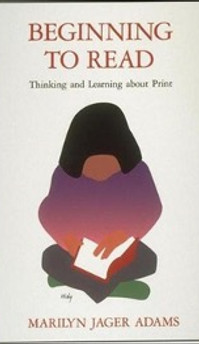
Beginning to Read: Thinking and Learning about Print, by Marilyn Jager Adams
This is a seminal text for understanding what happens in our brains as we learn to read, as well as how to take that knowledge and translate it into effective teaching. This was one of the first texts that taught me how to think about what it means to teach reading. Published over 30 years ago, the content Adams’s book remains relevant and influential in today’s world of reading education.